In the realm of healthcare, telehealth platforms have revolutionized the way global patients access medical services. This guide delves into the top telehealth platforms that cater to patients worldwide, exploring their key features, user interfaces, and the crucial role of multilingual support.
Join us on a journey through the world of telehealth tailored for a global audience.
Top Telehealth Platforms for Global Patients
Telehealth platforms have become essential for global patients seeking convenient and accessible healthcare services. These platforms offer a range of features that cater to the needs of patients worldwide, ensuring they receive quality care regardless of their location.
Key Features of Telehealth Platforms for Global Patients
- Virtual Consultations: Telehealth platforms allow patients to consult with healthcare providers remotely, eliminating the need for in-person visits.
- Secure Messaging: Patients can securely communicate with doctors, share medical records, and receive prescriptions through encrypted messaging systems.
- Remote Monitoring: Some platforms offer remote monitoring devices that allow patients to track vital signs and share data with healthcare providers in real-time.
- Appointment Scheduling: Global patients can easily schedule appointments with healthcare professionals across different time zones, ensuring timely care.
User Interface Comparison of Telehealth Platforms
Telehealth platforms vary in terms of user interface design, with some focusing on simplicity and ease of use, while others offer more advanced features such as virtual waiting rooms and multimedia capabilities. It is essential for telehealth platforms catering to global patients to have a user-friendly interface that supports multiple languages and cultural preferences.
Importance of Multilingual Support in Telehealth Platforms
Providing multilingual support in telehealth platforms is crucial for global patients who may not be fluent in the language of the healthcare providers. Language barriers can significantly impact the quality of care and patient outcomes. Platforms that offer multilingual support through translation services or language-specific interfaces can bridge this gap and ensure effective communication between patients and providers.
Telehealth Platforms with Strong Global Presence
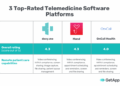
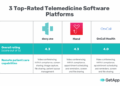
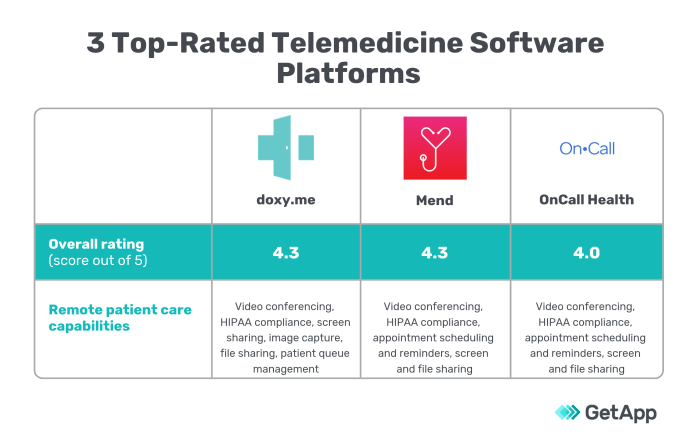
- Teladoc Health: Teladoc Health is a leading telehealth platform with a global presence, offering virtual care services in over 130 countries.
- Doctor on Demand: Doctor on Demand provides video visits with board-certified physicians and mental health professionals, catering to a global patient population.
- Babylon Health: Babylon Health offers AI-powered virtual consultations and remote monitoring services, making healthcare accessible to patients worldwide.
Accessibility and convenience
Telehealth platforms play a crucial role in improving accessibility to healthcare for global patients. By utilizing telecommunication technologies, patients from around the world can connect with healthcare providers without the need for physical proximity. This opens up a world of medical expertise and resources that may not be readily available in their local areas.
Improved Access to Healthcare
- Telehealth platforms break down geographical barriers, allowing patients to consult with specialists from anywhere in the world.
- Global patients can access healthcare services remotely, eliminating the need for travel and reducing associated costs and time constraints.
- Patients in rural or underserved areas can benefit greatly from telehealth platforms, gaining access to quality healthcare that may not be locally available.
Convenience Factors
- Telehealth platforms offer convenient scheduling options, allowing patients to book appointments at their preferred times without long wait times.
- Patients can receive medical consultations and follow-ups from the comfort of their homes, saving time and reducing the hassle of commuting to a healthcare facility.
- Prescriptions can be electronically sent to pharmacies, making it convenient for global patients to access medication without visiting a physical location.
Reducing Barriers to Healthcare Access
- Telehealth platforms help bridge the gap between patients and healthcare providers, especially for those with limited mobility or transportation options.
- Language barriers can be overcome through telehealth platforms that offer translation services, ensuring effective communication between patients and healthcare professionals.
- Patients facing stigmas or cultural barriers to seeking healthcare locally can benefit from the privacy and anonymity provided by telehealth services.
Accommodating Diverse Time Zones
- Telehealth platforms operate around the clock, accommodating patients in different time zones and ensuring access to healthcare services at convenient times.
- Providers on telehealth platforms may offer flexible hours to cater to global patients, making it easier to schedule appointments regardless of time zone differences.
- Virtual consultations allow for quick access to medical advice, reducing the need for patients to wait for local healthcare facilities to open during their local hours.
Security and privacy measures
Ensuring security and privacy in telehealth platforms is crucial to protect the sensitive data of global patients accessing healthcare services remotely. These platforms implement various measures to safeguard patient information and comply with data privacy regulations.
Encryption Standards
Telehealth platforms utilize encryption standards to secure communication between patients and healthcare providers. Examples of encryption methods used include end-to-end encryption, SSL/TLS protocols, and AES encryption. These standards help prevent unauthorized access to patient data and maintain confidentiality during telehealth sessions.
Compliance with Data Privacy Regulations
It is essential for telehealth platforms to comply with data privacy regulations such as HIPAA (Health Insurance Portability and Accountability Act) and GDPR (General Data Protection Regulation). By adhering to these regulations, platforms ensure that patient data is handled securely and confidentially, reducing the risk of data breaches or misuse.
Examples of Secure Telehealth Platforms
Teladoc
Teladoc prioritizes security and privacy by implementing robust encryption measures and complying with HIPAA regulations. They also offer secure messaging and video consultations to protect patient information.
Amwell
Amwell is another telehealth platform that focuses on security, using end-to-end encryption for secure communication and storing patient data in compliance with data privacy laws. They also conduct regular security audits to maintain a high level of protection for global patients.
Telehealth services and specialties
Telehealth platforms offer a wide range of healthcare services to global patients, making it more convenient for individuals to access medical care remotely. These services are aimed at providing timely and efficient healthcare solutions regardless of geographical barriers.
Types of healthcare services offered
- Virtual consultations with healthcare providers
- Remote monitoring of vital signs and symptoms
- Prescription management and medication refills
- Mental health counseling and therapy sessions
- Second opinions and specialist referrals
Specialties commonly addressed
- Primary care and general medicine
- Cardiology and heart health
- Dermatology and skin conditions
- Psychiatry and mental health
- Obstetrics and gynecology
Integration with electronic health records
Telehealth platforms are designed to seamlessly integrate with electronic health records (EHRs) to ensure that patient information is accurately shared among healthcare providers. This integration allows for a more comprehensive approach to patient care and helps in avoiding duplication of tests or procedures.
Continuity of care for global patients
Telehealth platforms prioritize continuity of care for global patients by facilitating communication between different healthcare providers. Through secure messaging systems and shared EHRs, patients can receive consistent and coordinated care regardless of the provider they are consulting. This ensures that all healthcare professionals involved in the patient's treatment are well-informed and can make informed decisions about the patient's care.
Conclusion
As we conclude our exploration of the top telehealth platforms for global patients, we reflect on how these innovative solutions enhance accessibility, prioritize security, and offer a wide range of healthcare services. With a focus on patient-centric care and seamless experiences, telehealth platforms continue to shape the future of global healthcare delivery.
Commonly Asked Questions
How do telehealth platforms improve accessibility for global patients?
Telehealth platforms break down geographical barriers, allowing patients worldwide to connect with healthcare providers remotely, ensuring timely access to medical services.
Which telehealth platforms prioritize data security for global patients?
Platforms like Teladoc, Amwell, and Doctor on Demand are renowned for their stringent security measures that safeguard patients' sensitive information.
Can telehealth platforms cater to patients across different time zones?
Yes, telehealth platforms often offer flexible scheduling options to accommodate patients in various time zones, ensuring convenient access to healthcare services.