Exploring the landscape of digital health trends in Asia for 2025 unveils a transformative journey reshaping traditional healthcare practices and revolutionizing patient care. From the integration of artificial intelligence to the rise of telemedicine, the future of healthcare in Asia is illuminated with innovation and advancements.
Overview of Digital Health Trends in Asia by 2025
The digital health landscape in Asia is rapidly evolving, driven by technological advancements and changing healthcare needs. By 2025, several key trends are expected to shape the future of healthcare in the region.
Telemedicine and Remote Monitoring
Telemedicine and remote monitoring technologies are revolutionizing the way healthcare is delivered in Asia. These tools allow patients to consult with healthcare providers remotely, reducing the need for in-person visits and improving access to care, especially in remote areas.
Artificial Intelligence in Healthcare
The integration of artificial intelligence (AI) in healthcare is expected to streamline processes, enhance diagnostic accuracy, and personalize treatment plans. AI-powered tools can analyze large amounts of data to identify patterns and trends that can lead to more effective patient care.
Wearable Health Tech
Wearable devices like smartwatches and fitness trackers are becoming increasingly popular in Asia. These devices can track vital signs, activity levels, and even detect early signs of health issues, empowering individuals to take control of their health and well-being.
Data Security and Privacy Measures
With the increasing digitization of healthcare data, ensuring the security and privacy of patient information is crucial. By 2025, there will be a greater focus on implementing robust data security measures and compliance with regulations to protect sensitive healthcare data.
Virtual Reality in Medical Training and Therapy
Virtual reality (VR) technology is being utilized in medical training and therapy sessions across Asia. VR simulations can provide a realistic and immersive learning experience for medical students, as well as offer therapeutic benefits for patients undergoing rehabilitation or treatment for mental health conditions.
Telemedicine and Remote Patient Monitoring
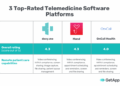
Telemedicine is playing an increasingly crucial role in providing healthcare services in Asia. With the advancement of digital technologies, patients can now consult with healthcare professionals remotely, receive diagnoses, and even get prescriptions without the need for an in-person visit.
Benefits of Remote Patient Monitoring
Remote patient monitoring through digital technologies offers numerous benefits compared to traditional healthcare methods. It allows for continuous monitoring of vital signs, medication adherence, and other health parameters from the comfort of the patient's home. This leads to early detection of health issues, timely interventions, and improved overall health outcomes.
Improving Healthcare Accessibility in Remote Areas
Telemedicine and remote monitoring have been instrumental in improving healthcare accessibility for individuals in remote areas of Asia. Patients who previously had limited access to healthcare facilities can now receive medical consultations and monitoring through telemedicine platforms. This not only saves time and money for patients but also ensures they receive timely and quality healthcare services.
Artificial Intelligence in Healthcare
Artificial Intelligence (AI) has been revolutionizing the healthcare industry by providing advanced solutions for diagnosing medical conditions, creating personalized treatment plans, predicting disease outbreaks, and optimizing hospital operations.
Integration of AI in Diagnosing Medical Conditions and Personalized Treatment Plans
AI algorithms are capable of analyzing vast amounts of patient data to identify patterns and trends that human healthcare providers may overlook. This enables more accurate and timely diagnosis of medical conditions. Additionally, AI can create personalized treatment plans by considering individual patient characteristics, medical history, and genetic information.
Examples of AI Applications in Predicting Disease Outbreaks and Optimizing Hospital Operations
AI-powered systems can analyze data from various sources such as social media, search engines, and healthcare records to predict disease outbreaks. By detecting early warning signs, healthcare authorities can take proactive measures to control the spread of diseases. Moreover, AI is being used to optimize hospital operations by streamlining workflows, predicting patient admission rates, and allocating resources efficiently.
Enhancing Efficiency and Accuracy of Medical Procedures in Asian Healthcare Systems
In Asian healthcare systems, AI is enhancing the efficiency and accuracy of medical procedures such as surgeries, radiology imaging, and pathology analysis. AI-powered tools can assist healthcare providers in performing complex procedures with precision and reducing the risk of human error.
This ultimately leads to improved patient outcomes and overall quality of care.
Wearable Technology and Health Tracking Devices
Wearable technology has revolutionized the way individuals approach their health and wellness by providing real-time data and insights on their overall well-being. These devices have become increasingly popular due to their convenience and ability to monitor various health metrics seamlessly
Impact of Wearable Technology on Promoting Preventive Healthcare Measures
- Wearable technology encourages individuals to be more proactive about their health by constantly tracking their physical activity, heart rate, sleep patterns, and even stress levels.
- By promoting preventive healthcare measures, these devices can help users identify potential health issues early on and make necessary lifestyle adjustments to improve their overall health.
- The continuous monitoring offered by wearable devices can lead to early intervention and prevention of chronic conditions, ultimately reducing healthcare costs and improving quality of life.
Significance of Health Tracking Devices in Monitoring Vital Signs
- Health tracking devices play a crucial role in monitoring vital signs such as heart rate, blood pressure, and oxygen saturation levels, providing users with valuable insights into their overall health status.
- These devices enable individuals to track their progress towards health goals, such as maintaining a certain level of physical activity or improving sleep quality, leading to better health outcomes.
- Health tracking devices also empower users to make informed decisions about their health by providing personalized recommendations based on the data collected, promoting a more proactive approach to healthcare.
Empowerment Through Real-Time Data Monitoring
- Wearable devices empower individuals to take charge of their health by offering real-time data monitoring and feedback on their daily activities, allowing for immediate adjustments to improve health outcomes.
- Through continuous monitoring, users can gain a better understanding of how their lifestyle choices impact their health, leading to more informed decisions and behavior changes.
- Real-time data monitoring also enhances engagement and motivation, as users can see tangible results and progress towards their health and fitness goals, fostering a sense of empowerment and accountability.
Data Security and Privacy Concerns in Digital Health
As the digital health landscape in Asia continues to evolve rapidly, ensuring data security and maintaining patient privacy are critical aspects that need to be addressed. The interconnected nature of digital health systems can pose various challenges and risks when it comes to safeguarding patient data.
Challenges and Risks
- Unauthorized access to sensitive patient information
- Data breaches and cyber attacks
- Lack of proper encryption and data protection measures
- Compliance with data privacy regulations
Strategies for Ensuring Data Security
- Implementing robust encryption protocols
- Regular security audits and updates
- Training healthcare staff on data security best practices
- Utilizing secure cloud storage solutions
Importance of Regulatory Frameworks
- Establishing clear data protection laws and guidelines
- Monitoring and enforcing compliance with regulations
- Promoting transparency in data handling practices
- Encouraging collaboration between healthcare providers and regulatory bodies
Final Review
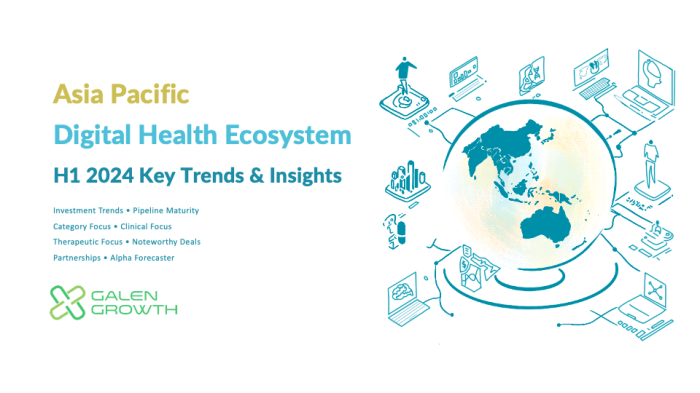
As we conclude this discussion on digital health trends in Asia for 2025, it becomes evident that the region is on the cusp of a healthcare revolution. With technology paving the way for enhanced patient care and accessibility, the future holds promising developments that will undoubtedly redefine the healthcare landscape in Asia.
FAQ Guide
What are some key digital health trends expected to transform Asia by 2025?
Some key trends include the integration of artificial intelligence in diagnosing medical conditions, the growth of telemedicine services, and the impact of wearable technology on preventive healthcare measures.
How is telemedicine improving healthcare accessibility in remote areas?
Telemedicine enables individuals in remote areas to access healthcare services remotely, bridging the gap between patients and healthcare providers without the need for physical visits to healthcare facilities.
What challenges exist in safeguarding patient data in the digital health ecosystem?
Challenges include ensuring data security, protecting patient privacy, and complying with regulatory frameworks to address data protection issues in the evolving digital health landscape.