
Beginning with Chronic stress management strategies that work, the narrative unfolds in a compelling and distinctive manner, drawing readers into a story that promises to be both engaging and uniquely memorable.
Chronic stress is a common issue in today's fast-paced world, impacting both our mental and physical well-being. Understanding how to effectively manage this type of stress is crucial for overall health and quality of life.
Overview of Chronic Stress
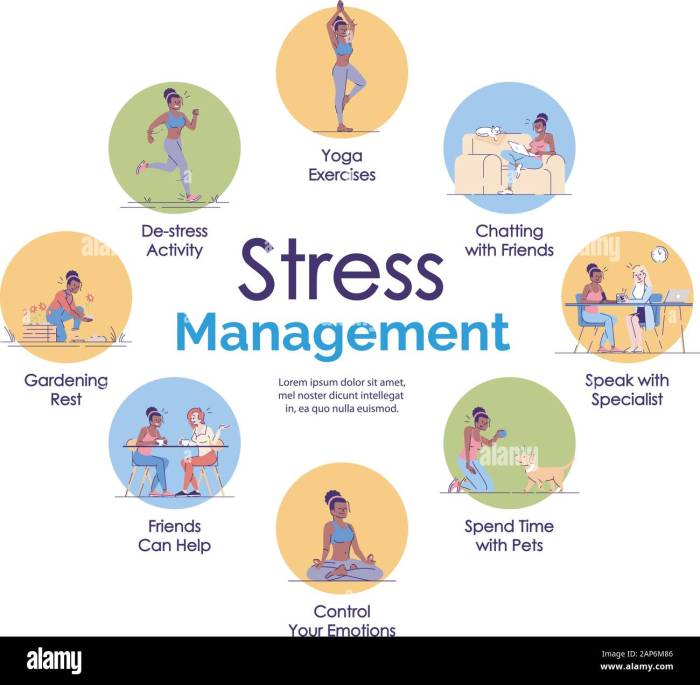
Chronic stress is a prolonged state of psychological and physiological tension that can have detrimental effects on both mental and physical health. Unlike acute stress, which is short-term and typically results from immediate threats or challenges, chronic stress persists over an extended period, leading to ongoing strain on the body and mind.Examples of common sources of chronic stress in daily life include ongoing work pressures, financial difficulties, strained relationships, health problems, and societal issues.
These stressors can accumulate over time, overwhelming individuals and impacting their overall well-being.
Impact of Chronic Stress on Health
Chronic stress can manifest in various ways, affecting different aspects of health. Here are some key impacts of chronic stress on mental and physical well-being:
- Increased risk of anxiety and depression
- Disruption of sleep patterns
- Weakened immune system
- High blood pressure and cardiovascular problems
- Digestive issues and appetite changes
Importance of Managing Chronic Stress
Chronic stress can have severe long-term consequences if left untreated. It not only affects our mental well-being but also has a significant impact on our physical health. Managing chronic stress is crucial to prevent these negative outcomes.
Consequences of Untreated Chronic Stress
Chronic stress, if not managed properly, can lead to a variety of health issues such as high blood pressure, heart disease, obesity, and diabetes. It can weaken the immune system, making individuals more susceptible to infections and illnesses. Additionally, untreated chronic stress can also contribute to mental health disorders like anxiety and depression.
Contribution to Health Conditions
Research has shown that chronic stress can contribute to the development or exacerbation of various health conditions. For example, prolonged stress can trigger inflammation in the body, which is linked to conditions such as arthritis, asthma, and digestive disorders. Furthermore, chronic stress has been associated with an increased risk of developing cardiovascular diseases and certain types of cancer.
Prevalence of Chronic Stress
According to the American Institute of Stress, around 77% of people in the United States regularly experience physical symptoms caused by stress. Furthermore, the World Health Organization has identified stress as the "health epidemic of the 21st century." These statistics highlight the prevalence of chronic stress in society and emphasize the importance of implementing effective stress management strategies.
Effective Strategies for Managing Chronic Stress
Chronic stress can have a significant impact on our physical and mental well-being. Implementing effective strategies to manage this stress is crucial for overall health and quality of life.
Lifestyle Changes to Reduce Chronic Stress
Making positive lifestyle changes can help reduce chronic stress levels. This includes:
- Establishing a regular sleep routine to ensure adequate rest and rejuvenation.
- Adopting a healthy diet rich in fruits, vegetables, and whole grains to support overall well-being.
- Engaging in regular physical activity to release endorphins and reduce stress hormones.
- Setting boundaries and prioritizing tasks to avoid feeling overwhelmed.
The Role of Exercise in Managing Chronic Stress
Exercise plays a crucial role in managing chronic stress by:
- Releasing endorphins, which are natural mood lifters that can help reduce stress and anxiety.
- Improving overall physical health, which can enhance resilience to stressors.
- Providing a healthy outlet for pent-up energy and tension, promoting relaxation and stress relief.
Benefits of Mindfulness Meditation for Stress Management
Mindfulness meditation has been shown to be effective in managing chronic stress by:
- Helping individuals focus on the present moment and let go of worries about the past or future.
- Reducing the physiological effects of stress, such as elevated heart rate and blood pressure.
- Promoting relaxation and a sense of calm, leading to improved emotional well-being.
Professional Support and Interventions
Seeking professional support and interventions can play a crucial role in effectively managing chronic stress. Therapists and counselors are trained to provide individuals with the necessary tools and techniques to cope with and reduce stress levels.
Therapy or Counseling
Therapy or counseling can be highly beneficial for individuals experiencing chronic stress. Through sessions with a trained professional, individuals can explore the root causes of their stress, learn coping mechanisms, and develop strategies to better manage their stress levels.
Medication
In some cases, medication may be prescribed to help individuals manage the symptoms of chronic stress. This can include antidepressants, anti-anxiety medications, or other medications that help regulate stress hormones. It is important to consult with a healthcare provider before starting any medication regimen.
Support Groups and Community Resources
Support groups and community resources can also be valuable sources of support for individuals dealing with chronic stress. These groups provide a safe space for individuals to share their experiences, receive encouragement, and learn from others who are facing similar challenges.
Community resources such as mental health hotlines, online forums, and local support organizations can also offer additional support and guidance.
End of Discussion
In conclusion, implementing successful strategies to manage chronic stress can significantly improve one's daily life and long-term health outcomes. By making positive lifestyle changes, seeking professional support when needed, and incorporating mindfulness practices, individuals can effectively combat the negative effects of chronic stress.
Expert Answers
What are some common sources of chronic stress?
Common sources of chronic stress include work pressure, financial problems, relationship issues, and health concerns.
How can exercise help in managing chronic stress?
Regular exercise releases endorphins, which are natural mood lifters, and helps reduce stress hormones in the body.
Is medication always necessary for managing chronic stress?
Medication may be prescribed in severe cases, but lifestyle changes and therapy are often effective in managing chronic stress.
Are there online support groups available for individuals dealing with chronic stress?
Yes, there are various online support groups and resources that provide assistance and guidance for those struggling with chronic stress.