Embark on a journey towards optimal health with our guide on how to build a personalized digital health plan. This comprehensive resource delves into the intricacies of creating a plan tailored to individual needs, utilizing the latest digital tools for effective health management.
Explore the steps involved in assessing health needs, setting achievable goals, selecting appropriate tools, and seamlessly implementing the plan into daily routines for a healthier lifestyle.
Introduction to Personalized Digital Health Plan
A personalized digital health plan is a customized approach to managing one's health using digital tools and technology. It involves creating a tailored plan based on individual needs, preferences, and health goals.
Having a personalized health plan is crucial for effective health management as it takes into account the unique characteristics of each individual, such as medical history, lifestyle, and genetic predispositions. This personalized approach allows for more targeted and efficient health interventions, leading to better outcomes and overall well-being.
Benefits of Utilizing Digital Tools for Health Planning
- Convenience: Digital tools allow for easy access to health information, tracking progress, and communicating with healthcare providers remotely.
- Personalization: These tools can analyze data to provide personalized recommendations and interventions tailored to individual needs.
- Efficiency: Digital health plans streamline the process of health management, making it easier to track progress, set goals, and make informed decisions about one's health.
- Empowerment: By taking an active role in their health through digital tools, individuals feel more empowered and in control of their well-being.
Assessing Individual Health Needs
When building a personalized digital health plan, it is crucial to start by assessing the individual's specific health needs. This process involves gathering relevant health data, analyzing the information, and determining personalized health goals to address any existing health issues or concerns.One of the primary methods used to assess an individual's health needs is through the collection of health data.
This can be done through various tools and methods, such as:
Health questionnaires
These tools gather information about an individual's medical history, lifestyle choices, and current health status.
Wearable fitness trackers
Devices like smartwatches or fitness bands can provide data on physical activity levels, heart rate, sleep patterns, and more.
Health screenings
Tests like blood pressure measurements, cholesterol checks, and blood sugar monitoring can offer insights into an individual's overall health.Once the health data is collected, it is then analyzed to identify any areas of concern or potential areas for improvement. This analysis involves looking at factors such as:
Risk factors
Identifying any risk factors for chronic diseases or health conditions based on the collected data.
Health trends
Observing patterns in the data to determine areas where behavior or lifestyle changes may be beneficial.
Goal setting
Establishing personalized health goals that are specific, measurable, achievable, relevant, and time-bound (SMART goals).By analyzing the data and identifying key areas for improvement, personalized health goals can be set to help the individual make meaningful changes to their lifestyle and behavior.
This tailored approach ensures that the digital health plan is effective in addressing the individual's unique health needs and goals.
Setting Health Goals
Setting specific, measurable health goals is crucial for tracking progress and staying motivated in a personalized digital health plan. By defining clear objectives, individuals can focus their efforts and adjust their behaviors accordingly to achieve better outcomes.
Importance of Specific and Measurable Goals
Setting specific and measurable goals helps individuals to clearly define what they want to achieve and how they will track their progress. Whether it's weight loss, increased physical activity, or better nutrition, having precise goals provides a roadmap for success.
- Specific goals provide clarity and direction, making it easier to understand what needs to be done.
- Measurable goals allow individuals to track their progress and celebrate small victories along the way.
- Having both specific and measurable goals increases accountability and motivation to stay on track.
Tips for Setting Achievable Goals
When setting health goals within a digital health plan, it's important to make them achievable and realistic. Here are some tips to help individuals set attainable goals:
- Start small and gradually increase the difficulty as progress is made.
- Focus on one or two goals at a time to avoid feeling overwhelmed.
- Make goals relevant to personal values and priorities to increase intrinsic motivation.
- Set both short-term and long-term goals to maintain momentum and measure progress over time.
- Regularly review and adjust goals based on feedback and results to ensure continuous improvement.
Role of Timelines and Milestones
Timelines and milestones play a crucial role in goal setting by providing a sense of urgency and direction. They help individuals break down long-term goals into manageable steps and track progress effectively.
- Setting realistic timelines ensures that goals are achievable within a specific timeframe.
- Milestones act as checkpoints to evaluate progress and make necessary adjustments to stay on course.
- Celebrating milestone achievements boosts motivation and encourages continued efforts towards the ultimate goal.
Choosing Appropriate Digital Health Tools
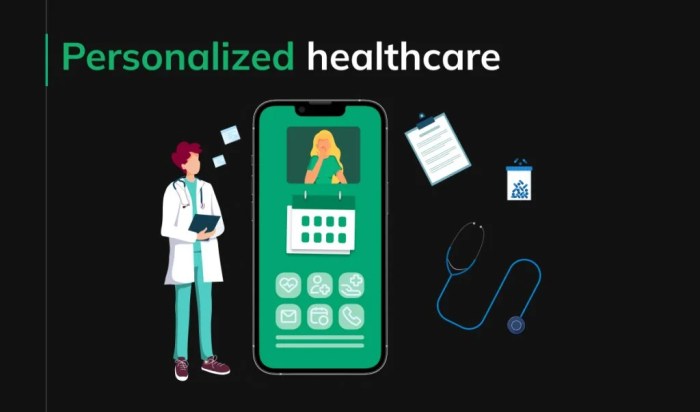
When it comes to building a personalized digital health plan, selecting the right tools is crucial for effectively monitoring and managing your health. There are various types of digital health tools available in the market, including health apps, wearable devices, and monitoring tools.
It's essential to compare and contrast the features of these tools to determine which ones align best with your individual needs.
Types of Digital Health Tools
- Health Apps: These are mobile applications designed to help track various health metrics, such as exercise, diet, sleep, and medication intake.
- Wearable Devices: These include smartwatches, fitness trackers, and other devices that can monitor heart rate, activity levels, and even provide real-time feedback.
- Monitoring Tools: Devices like blood pressure monitors, glucose meters, and scales can provide essential health data for chronic condition management.
Comparing Features of Digital Health Tools
- Health Apps: Offer convenience and accessibility, with a wide range of features and integrations. However, some may lack accuracy or data security.
- Wearable Devices: Provide continuous monitoring and real-time feedback, making them ideal for tracking fitness and activity levels. But they may require regular charging and maintenance.
- Monitoring Tools: Offer precise measurements for specific health parameters, crucial for managing chronic conditions. However, they may be less portable and require additional expertise for interpretation.
Recommendations for Selecting Digital Health Tools
- Assess Your Needs: Identify your health goals and monitoring requirements to determine which digital tools will be most beneficial.
- Consider Compatibility: Ensure the selected tools can integrate with each other or with existing health systems for seamless data sharing.
- Read Reviews: Look for user feedback and reviews to understand the effectiveness and reliability of the tools you are considering.
- Consult Healthcare Providers: Seek guidance from healthcare professionals to ensure the chosen tools align with your medical needs and treatment plan.
Implementing the Plan
Once you have created a personalized digital health plan, the next step is to effectively implement it into your daily routine. This involves integrating the use of digital tools seamlessly, tracking your progress, and making adjustments as needed.
Integration of Digital Tools
Integrating digital tools into your daily routine can be achieved by setting reminders or alarms to prompt you to use them at specific times. You can also create a dedicated space for your digital health tools to ensure easy access and visibility.
- Set specific times during the day to use your digital health tools, such as in the morning for tracking your meals and in the evening for monitoring your sleep patterns.
- Sync your digital tools with other devices you use frequently, like your smartphone or smartwatch, to ensure you are constantly connected to your health data.
- Utilize features like notifications and alerts on your digital tools to stay motivated and on track with your health goals.
Tracking Progress and Making Adjustments
Tracking your progress is essential to ensure that you are meeting your health goals and making positive changes. It also allows you to identify areas where adjustments may be needed for better results.
- Regularly review the data collected by your digital health tools to monitor your progress and identify patterns or trends in your health behaviors.
- Set specific checkpoints or milestones to assess your progress and determine if any adjustments need to be made to your digital health plan.
- Consult with healthcare professionals or wellness coaches to help interpret the data from your digital tools and make informed decisions about adjustments to your plan.
Final Review
In conclusion, crafting a personalized digital health plan empowers individuals to take control of their well-being, paving the way for a healthier and more fulfilling life. By leveraging technology and setting clear goals, achieving optimal health becomes an attainable reality.
Expert Answers
How often should I reassess my personalized digital health plan?
It is recommended to reassess your plan annually or whenever there are significant changes in your health status or lifestyle.
Can I share my digital health plan with my healthcare provider?
Absolutely, sharing your plan with your healthcare provider can help tailor medical advice and treatment to better suit your needs.
Are there any privacy concerns with using digital health tools?
While privacy is a valid concern, most reputable digital health tools prioritize data security and adhere to strict privacy regulations.