Embarking on the journey of establishing post-pandemic health routines is not just essential but a pivotal step towards overall well-being. In this guide, we delve into the significance of maintaining these routines, exploring the long-term benefits they offer, and how they can positively impact mental health.
Importance of Post-Pandemic Health Routines
Establishing post-pandemic health routines is crucial for overall well-being as it helps individuals bounce back from the challenges faced during the pandemic. These routines play a vital role in rebuilding physical strength, boosting immunity, and promoting a sense of normalcy in daily life.
Potential Long-Term Benefits
- Improved Physical Health: Consistent health practices such as regular exercise, balanced nutrition, and proper sleep can lead to better physical health outcomes in the long run.
- Enhanced Immunity: Following a healthy routine can strengthen the immune system, making individuals more resilient to infections and illnesses.
- Reduced Risk of Chronic Diseases: By maintaining a healthy lifestyle post-pandemic, individuals can lower their risk of developing chronic conditions such as heart disease, diabetes, and obesity.
Positive Impact on Mental Health
Consistent health practices not only benefit physical health but also have a positive impact on mental well-being. Engaging in activities like mindfulness, meditation, and social interactions can help reduce stress, anxiety, and feelings of isolation.
Physical Exercise and Fitness
Regular physical exercise plays a crucial role in post-pandemic health routines, helping to improve overall physical and mental well-being. It can boost immunity, reduce the risk of chronic diseases, and enhance mood and cognitive function.
Effective Workout Routines
- For beginners: Start with low-impact activities like walking, cycling, or yoga. Gradually increase intensity and duration as fitness improves.
- For intermediate level: Incorporate strength training exercises using body weight or weights to build muscle and improve metabolism.
- For advanced level: Include high-intensity interval training (HIIT) or circuit training for a challenging workout that improves cardiovascular fitness and burns calories.
Tips for Incorporating Physical Activity
- Schedule workouts: Set aside dedicated time for exercise in your daily routine to ensure consistency.
- Choose activities you enjoy: Find activities that you look forward to, whether it's dancing, swimming, or playing a sport.
- Mix it up: Keep your routine varied by trying different types of exercises to target different muscle groups and prevent boredom.
- Stay hydrated: Drink plenty of water before, during, and after exercise to maintain optimal performance and recovery.
Nutrition and Diet
Ensuring a balanced diet is crucial for post-pandemic recovery and maintaining overall health. A nutritious diet can help boost immunity, aid in recovery, and provide the necessary nutrients for optimal functioning of the body.
Importance of a Balanced Diet
A balanced diet includes a variety of foods that provide essential nutrients such as vitamins, minerals, protein, carbohydrates, and healthy fats. This helps support the immune system, promote healing, and improve overall well-being.
Foods to Boost Immunity and Aid in Recovery
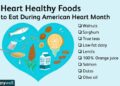
- Colorful fruits and vegetables: Rich in vitamins, minerals, and antioxidants that help strengthen the immune system.
- Lean proteins: Sources like poultry, fish, tofu, and legumes can aid in muscle recovery and repair.
- Whole grains: Provide fiber, vitamins, and minerals for sustained energy and digestive health.
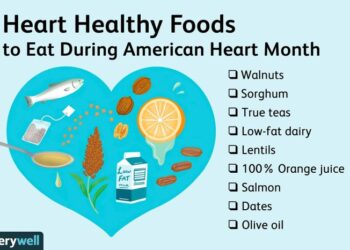
- Healthy fats: Include sources like nuts, seeds, avocado, and olive oil for heart health and inflammation reduction.
Meal Planning Tips and Healthy Recipe Ideas
Planning meals ahead of time can help ensure a well-rounded and nutritious diet. Consider the following tips:
- Include a variety of colors in your meals to ensure a diverse range of nutrients.
- Focus on whole, unprocessed foods for optimal nutrition.
- Cook at home more often to control ingredients and portion sizes.
Here are some healthy recipe ideas to help you maintain a nutritious diet:
- Quinoa salad with mixed vegetables and grilled chicken
- Vegetable stir-fry with tofu and brown rice
- Salmon with roasted sweet potatoes and steamed broccoli
Mental Health and Stress Management

Maintaining good mental health is crucial in post-pandemic health routines as it impacts overall well-being. Here are some strategies for reducing stress and anxiety levels and tips for fostering a positive mindset.
Strategies for Reducing Stress and Anxiety
- Practice deep breathing exercises to calm the mind and body.
- Engage in regular physical activity to release endorphins and reduce stress.
- Establish a daily routine to create a sense of structure and stability.
- Limit exposure to negative news and social media to avoid overwhelming feelings.
Tips for Practicing Mindfulness
- Set aside time for meditation or yoga to center your thoughts and emotions.
- Focus on the present moment and avoid dwelling on past events or worrying about the future.
- Practice gratitude by keeping a journal of things you are thankful for each day.
- Engage in activities that bring you joy and help you relax, such as reading or spending time in nature.
Fostering a Positive Mindset
- Acknowledge and challenge negative thought patterns to promote a more optimistic outlook.
- Surround yourself with supportive and positive individuals who uplift and inspire you.
- Celebrate small victories and accomplishments to boost self-esteem and motivation.
- Seek professional help or therapy if needed to address underlying mental health concerns.
Final Review
As we wrap up our discussion on post-pandemic health routines, it's evident that prioritizing physical exercise, nutrition, and mental well-being plays a crucial role in our recovery journey. By implementing these best practices, we pave the way for a healthier and happier future post-pandemic.
Popular Questions
What are some effective workout routines suitable for different fitness levels?
Effective workout routines can vary based on fitness levels, but incorporating a mix of cardio, strength training, and flexibility exercises tailored to individual capabilities is key.
How can I boost immunity through nutrition in the post-pandemic period?
Consuming a variety of nutrient-rich foods like fruits, vegetables, whole grains, and lean proteins can help boost immunity and aid in recovery.
What are some strategies for reducing stress and anxiety in post-pandemic health routines?
Practicing relaxation techniques, engaging in regular physical activity, and maintaining a healthy work-life balance are effective strategies for managing stress and anxiety.