Embark on a journey to discover the best supplements for immune system support, essential for maintaining optimal health and well-being. From vitamins to herbal remedies, we delve into the world of immune-boosting nutrients and lifestyle factors that can strengthen your body's defenses.
Importance of Immune System Support
Supporting the immune system is crucial for overall health as it plays a vital role in defending the body against harmful pathogens such as bacteria, viruses, and parasites. A strong immune system helps protect us from getting sick and promotes faster recovery when we do fall ill.
Benefits of a Strong Immune System
- Prevents Infections: A robust immune system can recognize and eliminate invading pathogens before they cause illness.
- Faster Recovery: With a strong immune system, the body can more effectively fight off illnesses, leading to quicker recovery times.
- Reduced Severity of Illness: When the immune system is functioning optimally, it can help reduce the severity of symptoms experienced during an illness.
Instances Requiring Extra Immune Support
- During Cold and Flu Season: Boosting the immune system during peak cold and flu seasons can help reduce the risk of falling ill.
- Under Stressful Conditions: Stress can weaken the immune system, making it more susceptible to infections, warranting extra support.
- After Surgery or Illness: The body may need additional immune support to aid in the recovery process post-surgery or when overcoming an illness.
Essential Nutrients for Immune System Support

Proper nutrition plays a crucial role in supporting a healthy immune system. Certain key vitamins and minerals are essential for maintaining immune function and overall health.
Vitamin C
Vitamin C is a powerful antioxidant that helps boost the immune system by supporting the production of white blood cells, which are essential for fighting off infections. Citrus fruits like oranges, strawberries, and kiwi are excellent sources of vitamin C.
Vitamin D
Vitamin D is important for immune regulation and has been shown to enhance the pathogen-fighting effects of monocytes and macrophages. Fatty fish like salmon, fortified dairy products, and sunlight exposure are good sources of vitamin D.
Zinc
Zinc is involved in various immune functions, including the development and function of immune cells. Foods rich in zinc include shellfish, lean meat, seeds, and nuts.
Vitamin E
Vitamin E is a potent antioxidant that helps protect immune cells from damage. Nuts, seeds, and spinach are great sources of vitamin E.
Iron
Iron is essential for the production of hemoglobin, which carries oxygen to cells, including immune cells. Red meat, poultry, lentils, and spinach are good sources of iron.
Herbal Supplements for Immune System Support
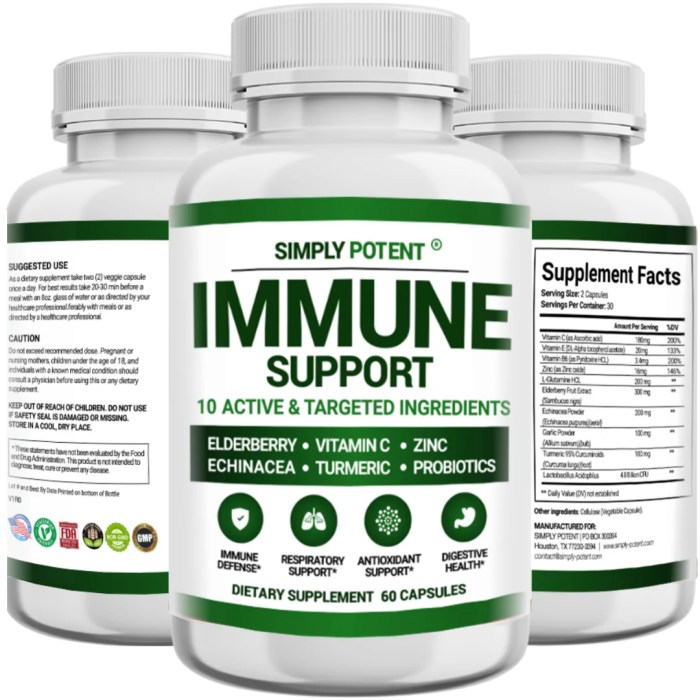
Herbal supplements have been used for centuries to support the immune system and promote overall health. These natural remedies are known for their immune-boosting properties and can help the body defend against infections and illnesses.
Popular Herbal Supplements for Immune System Support
- Echinacea: Echinacea is a popular herb known for its immune-stimulating properties. It can help the body fight off infections and reduce the duration of colds.
- Ginseng: Ginseng is an adaptogenic herb that can enhance the immune response and improve overall health. It is commonly used to boost immunity and increase energy levels.
- Garlic: Garlic is a powerful herb with antimicrobial properties that can help the body fight off infections and strengthen the immune system.
- Turmeric: Turmeric contains curcumin, a compound with anti-inflammatory and antioxidant properties that can support immune function and reduce inflammation in the body.
How Herbal Supplements Support Immune Function
Herbal supplements work by stimulating the immune system, reducing inflammation, and fighting off harmful pathogens. They contain bioactive compounds that can enhance the body's natural defense mechanisms and promote overall health.
Potential Side Effects and Interactions
It's important to note that while herbal supplements can be beneficial for immune system support, they may also have potential side effects and interactions with certain medications.
- Some herbal supplements may cause allergic reactions or digestive issues in sensitive individuals.
- Certain herbs like Echinacea and Ginseng may interact with blood thinners or immunosuppressant medications, so it's essential to consult a healthcare provider before adding them to your regimen.
- Always follow the recommended dosage guidelines and be cautious when combining herbal supplements with prescription medications to avoid any adverse effects.
Lifestyle Factors Affecting Immune Health
Maintaining a healthy lifestyle is crucial for supporting optimal immune system function. Lifestyle choices such as diet, exercise, sleep, and stress management play a significant role in determining the strength of our immune response.
Diet and Immune Health
Eating a balanced diet rich in vitamins, minerals, and antioxidants is essential for supporting immune health. Incorporate immune-boosting foods such as fruits, vegetables, lean proteins, and whole grains into your meals. Avoid excessive consumption of processed foods, sugary snacks, and unhealthy fats, as they can weaken the immune system.
Exercise and Immune Health
Regular physical activity can help boost the immune system by promoting good circulation, reducing inflammation, and supporting overall health. Aim for at least 150 minutes of moderate-intensity exercise per week, such as brisk walking, cycling, or swimming. However, avoid overtraining, as excessive exercise can suppress immune function.
Sleep and Immune Health
Quality sleep is crucial for immune health, as it allows the body to repair and regenerate cells. Aim for 7-9 hours of restful sleep each night to support optimal immune function. Establish a bedtime routine, create a comfortable sleep environment, and limit screen time before bed to improve the quality of your sleep.
Stress Management and Immune Health
Chronic stress can weaken the immune system and make you more susceptible to infections and illnesses. Practice stress management techniques such as meditation, deep breathing exercises, yoga, or spending time in nature to reduce stress levels. Prioritize self-care, set boundaries, and seek support from loved ones to maintain emotional well-being.
Closure
In conclusion, prioritizing immune system support through the right supplements and lifestyle choices is key to safeguarding your health. By incorporating these strategies into your daily routine, you can empower your immune system to function at its best and protect you from various illnesses.
FAQ Summary
Can supplements alone boost immune system function?
While supplements can enhance immune health, maintaining a balanced diet, regular exercise, and sufficient sleep are also crucial for optimal immune function.
Are there any specific supplements recommended for children to support their immune system?
Consulting with a healthcare provider is recommended for children, but generally, vitamin C, vitamin D, and probiotics are beneficial for immune support.