Delving into the realm of intermittent fasting and its remarkable impact on health, this exploration uncovers a wealth of benefits that are both intriguing and transformative. As we navigate through the intricacies of intermittent fasting, a world of improved well-being and vitality awaits.
In the following paragraphs, we will delve deeper into the different types of intermittent fasting, its effects on the body, and the growing fascination with this practice in recent times.
Introduction to Intermittent Fasting
Intermittent fasting is a dietary approach that involves alternating cycles of eating and fasting. It does not prescribe specific foods to eat or avoid but rather focuses on when you should eat. Different types of intermittent fasting include the 16/8 method, the 5:2 diet, and the Eat-Stop-Eat method.Intermittent fasting works by changing the body's metabolic processes to optimize fat burning and improve overall health.
During the fasting period, the body depletes its glycogen stores and begins to burn stored fat for energy. This can lead to weight loss, improved insulin sensitivity, and reduced inflammation.In recent years, intermittent fasting has gained popularity as a potential tool for weight management, improved metabolic health, and longevity.
Many people are drawn to intermittent fasting for its simplicity and flexibility, as it does not require counting calories or following strict meal plans.
Health Benefits of Intermittent Fasting
Intermittent fasting is not just a trend but a lifestyle choice that offers numerous health benefits. Let's explore some of the key advantages below.
Weight Loss
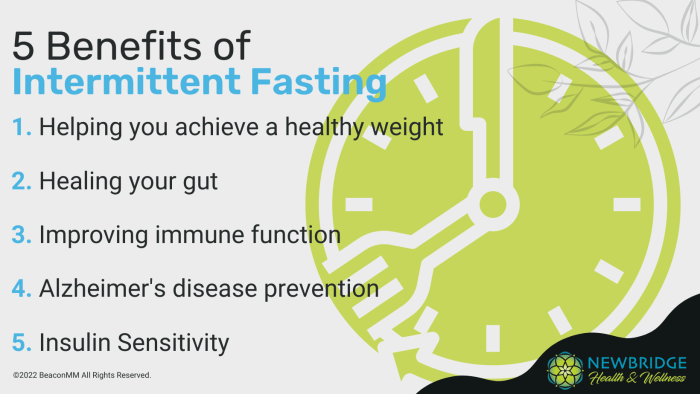
Intermittent fasting can be an effective tool for weight loss as it helps in reducing overall calorie intake. By incorporating periods of fasting, the body utilizes stored fat for energy, leading to weight loss over time.
Improved Metabolic Health
Intermittent fasting has been shown to improve various markers of metabolic health, including reducing inflammation, improving blood sugar levels, and enhancing heart health. This can contribute to a decreased risk of chronic diseases like diabetes and cardiovascular issues.
Enhanced Insulin Sensitivity
One of the significant benefits of intermittent fasting is its impact on insulin sensitivity. Fasting periods help the body regulate insulin levels more effectively, which can lower the risk of insulin resistance and type 2 diabetes. This improved insulin sensitivity also aids in better blood sugar control and overall metabolic function.
Role of Intermittent Fasting in Disease Prevention
Intermittent fasting has been shown to play a significant role in disease prevention by impacting various physiological processes in the body.
Inflammation Reduction
Intermittent fasting has been linked to a decrease in inflammation levels in the body. Chronic inflammation is associated with the development of various diseases, including heart disease, diabetes, and certain types of cancer. By reducing inflammation, intermittent fasting may help lower the risk of these conditions.
Heart Health Benefits
Intermittent fasting has shown promising results in improving heart health. It can help lower blood pressure, reduce cholesterol levels, and improve insulin sensitivity, all of which are important factors in maintaining a healthy heart. By promoting weight loss and reducing inflammation, intermittent fasting may significantly reduce the risk of cardiovascular diseases.
Intermittent Fasting and Brain Health
Intermittent fasting has been shown to have a significant impact on brain health, with various studies highlighting its positive effects on cognitive function and overall brain health.
Effects of Intermittent Fasting on Brain Function
Intermittent fasting can lead to increased production of brain-derived neurotrophic factor (BDNF), a protein that promotes the growth and development of new neurons. This can enhance cognitive function, learning, and memory.
Potential Cognitive Benefits of Intermittent Fasting
Improved focus and concentration
Intermittent fasting has been linked to increased mental clarity and focus, which can help individuals perform better in tasks requiring concentration
Enhanced memory
Some studies suggest that intermittent fasting may improve memory retention and cognitive flexibility.
Reduced risk of age-related cognitive decline
By promoting brain health and protecting against oxidative stress, intermittent fasting may lower the risk of age-related cognitive decline.
Role of Intermittent Fasting in Protecting Against Neurodegenerative Diseases
Protection against Alzheimer's disease
Intermittent fasting has shown potential in reducing the risk of Alzheimer's disease by reducing inflammation, enhancing brain function, and promoting the clearance of toxic proteins associated with the disease.
Delaying the onset of Parkinson's disease
Some research indicates that intermittent fasting may help delay the onset of Parkinson's disease by protecting neurons and improving mitochondrial function in the brain.
Safety and Considerations of Intermittent Fasting
Intermittent fasting has gained popularity for its potential health benefits, but it may not be suitable for everyone. It is important to understand the safety considerations and guidelines to ensure it is done properly.
Guidelines for Safe Intermittent Fasting
- Avoid extreme fasting methods and opt for safer approaches like the 16/8 method or the 5:2 diet.
- Stay hydrated during fasting periods to prevent dehydration.
- Listen to your body and stop fasting if you experience dizziness, weakness, or other concerning symptoms.
- Consult with a healthcare provider before starting intermittent fasting, especially if you have underlying health conditions.
Who Should Avoid Intermittent Fasting or Do It Under Supervision
- Children, adolescents, pregnant women, and individuals with eating disorders should avoid intermittent fasting.
- People with diabetes, low blood sugar levels, or other medical conditions should consult a healthcare provider before attempting intermittent fasting.
- If you are underweight or have a history of nutritional deficiencies, intermittent fasting should be done under medical supervision.
Common Concerns about Nutritional Deficiencies during Intermittent Fasting
- Ensure that you are consuming nutrient-dense foods during eating windows to prevent deficiencies.
- Consider taking dietary supplements if you are unable to meet your nutritional needs through food alone.
- Monitor your overall health and consult with a healthcare provider if you have concerns about nutrient deficiencies while practicing intermittent fasting.
Last Word
In conclusion, the journey through the health benefits of intermittent fasting has shed light on its potential to revolutionize our approach to wellness. By incorporating intermittent fasting into our routines, we embark on a path towards a healthier and more vibrant life.
FAQ
Can intermittent fasting be dangerous?
Intermittent fasting can be safe for many people, but those with certain health conditions or who are pregnant should consult with a healthcare provider before starting.
How does intermittent fasting impact metabolism?
Intermittent fasting has been shown to improve metabolic health by helping regulate blood sugar levels and promoting fat loss.
Is intermittent fasting suitable for athletes?
Intermittent fasting may not be ideal for athletes requiring high energy levels for performance, as it can affect training and recovery.
What can I consume during intermittent fasting?
Water, tea, and black coffee are typically allowed during fasting periods, but it's important to avoid added sugars or creamers.