Exploring the realm of top nutrition plans for heart health, this introduction sets the stage for an enlightening journey through the intricacies of maintaining a healthy heart. It delves into various diets and components crucial for heart well-being, offering valuable insights and practical advice.
From the Mediterranean diet to the importance of antioxidants, this guide covers essential aspects of heart-healthy nutrition plans, equipping you with the knowledge to make informed choices for a healthier heart.
Types of top nutrition plans for heart health
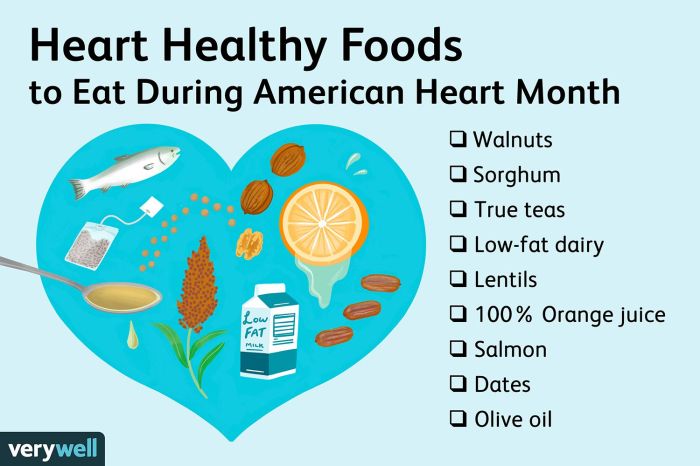
The key to maintaining heart health lies in following a well-balanced diet that prioritizes nutrients beneficial for cardiovascular well-being. Let's delve into some of the top nutrition plans specifically designed to promote heart health.
Mediterranean Diet
The Mediterranean diet is a renowned eating pattern inspired by the traditional culinary habits of countries bordering the Mediterranean Sea. This diet emphasizes consuming a plethora of fruits, vegetables, whole grains, legumes, nuts, seeds, and healthy fats like olive oil.
Additionally, moderate consumption of fish, poultry, and dairy is encouraged, while red meat and sweets are limited. The Mediterranean diet is rich in antioxidants, fiber, and omega-3 fatty acids, all of which contribute to reducing inflammation and improving heart health.
DASH Diet
The Dietary Approaches to Stop Hypertension (DASH) diet is specifically formulated to lower blood pressure, thereby reducing the risk of heart disease. This diet focuses on consuming fruits, vegetables, whole grains, lean proteins, and low-fat dairy products while minimizing sodium, saturated fats, and sweets.
By incorporating nutrient-dense foods and reducing sodium intake, the DASH diet helps manage blood pressure levels and supports overall heart health.
Plant-Based Diet
A plant-based diet revolves around consuming predominantly plant-derived foods such as fruits, vegetables, whole grains, legumes, nuts, and seeds while minimizing or eliminating animal products. Plant-based diets are rich in fiber, vitamins, minerals, and antioxidants, all of which play a crucial role in maintaining heart health.
Studies have shown that plant-based diets can lower cholesterol levels, reduce inflammation, and decrease the risk of heart disease, making them a beneficial choice for cardiovascular well-being.
Key components of a heart-healthy nutrition plan
To maintain a healthy heart, it is essential to include key components in your nutrition plan that support heart health. These components play a crucial role in reducing the risk of heart disease and promoting overall well-being.
Essential Nutrients like Omega-3 Fatty Acids
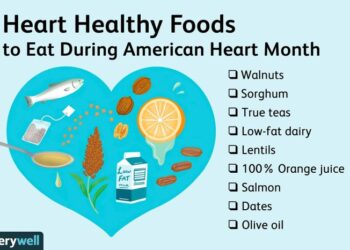
Omega-3 fatty acids are essential nutrients that have been shown to have numerous benefits for heart health. They help reduce inflammation, lower blood pressure, decrease triglycerides, and improve overall heart function. Including sources of omega-3 fatty acids such as fatty fish (salmon, mackerel, sardines), chia seeds, flaxseeds, and walnuts in your diet can significantly contribute to a healthy heart.
The Importance of Fiber in Heart Health
Fiber is another key component of a heart-healthy nutrition plan. It helps lower cholesterol levels, regulate blood sugar levels, and promote a healthy digestive system. Including fiber-rich foods like whole grains, fruits, vegetables, legumes, and nuts in your diet can help reduce the risk of heart disease and improve heart health overall.
The Role of Antioxidants in a Heart-Healthy Diet
Antioxidants are compounds that help protect the cells in the body from damage caused by free radicals. They play a crucial role in reducing inflammation, preventing plaque buildup in the arteries, and improving overall heart health. Including foods rich in antioxidants such as berries, dark chocolate, pecans, artichokes, and spinach can help support heart health and reduce the risk of heart disease.
Foods to include in a heart-healthy diet
To maintain a heart-healthy diet, it is crucial to include specific types of foods that can benefit your cardiovascular health.
Heart-Healthy Fats
Incorporating heart-healthy fats into your diet can help reduce the risk of heart disease. Examples of these fats include:
- Avocados
- Olives and olive oil
- Nuts (such as almonds, walnuts, and pistachios)
- Fatty fish (like salmon, mackerel, and sardines)
Lean Protein Sources
Lean protein is essential for heart health as it helps maintain muscle mass and overall health. Sources of lean protein suitable for a heart-healthy diet include:
- Skinless poultry (such as chicken and turkey)
- Legumes (like beans, lentils, and chickpeas)
- Tofu and other soy products
- Egg whites
Benefits of Whole Grains
Incorporating whole grains into your diet can provide numerous benefits for heart health. Whole grains are rich in fiber, vitamins, and minerals, which can help lower cholesterol levels and reduce the risk of heart disease. Some examples of whole grains to include are:
- Quinoa
- Brown rice
- Whole wheat
- Oats
Foods to avoid for heart health
When it comes to maintaining heart health, there are certain foods that are best avoided. High-sodium foods, trans fats, and sugary treats can have a negative impact on your heart. Here's a closer look at each:
High-sodium foods to limit for heart health
Excessive sodium intake can lead to high blood pressure, increasing the risk of heart disease. It's important to limit foods high in sodium, such as processed meats, canned soups, and certain condiments. Opt for fresh ingredients and seasonings to reduce your sodium intake.
Impact of trans fats on heart health
Trans fats are known to raise bad cholesterol levels and lower good cholesterol levels, increasing the risk of heart disease. Avoid foods like fried items, baked goods, and packaged snacks that contain trans fats. Check food labels and opt for healthier alternatives to protect your heart.
Examples of sugary foods to reduce in a heart-healthy diet
Consuming too much sugar can contribute to obesity, diabetes, and heart issues. Limit sugary treats like soda, candy, and pastries in your diet. Instead, satisfy your sweet tooth with fruits or dark chocolate in moderation to support heart health.
Ending Remarks
In conclusion, adopting a top nutrition plan for heart health is not just about what you eat, but also about making sustainable lifestyle changes that support your heart's well-being. By incorporating the principles Artikeld in this guide, you can take proactive steps towards a healthier heart and a happier life.
FAQ Overview
What are the key components of the Mediterranean diet?
The Mediterranean diet emphasizes fruits, vegetables, whole grains, lean proteins, and healthy fats like olive oil, with moderate consumption of red wine.
How does fiber benefit heart health?
Fiber helps lower cholesterol levels and improves heart health by reducing the risk of heart disease and stroke.
Which sources of lean protein are suitable for heart health?
Lean proteins such as chicken, turkey, fish, legumes, and tofu are excellent choices for heart health due to their low saturated fat content.
What sugary foods should be reduced in a heart-healthy diet?
Foods high in added sugars like sugary drinks, candies, pastries, and desserts should be limited in a heart-healthy diet to reduce the risk of heart disease.